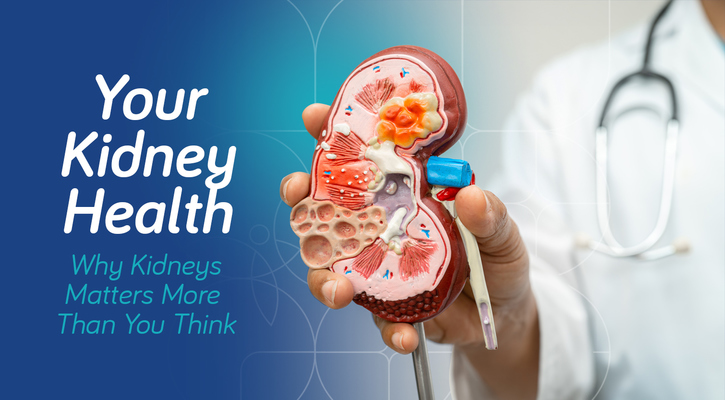
Kidney Health: Why It Matters More Than You Think
Your kidneys play a vital role in keeping your body healthy, balanced, and functioning well. Despite their importance, kidney health is often overlooked.
Kidneys work quietly in the background, filtering waste from the blood, balancing fluids, regulating blood pressure, and supporting overall wellbeing. When kidney function declines, it can affect almost every system in the body, often without obvious early warning signs.
Understanding kidney health, recognising early symptoms of kidney disease, and knowing when to seek care can make a meaningful difference to long-term outcomes.
What Do the Kidneys Do?
Healthy kidneys:
- Remove toxins and excess fluid from the blood
- Help control blood pressure
- Balance electrolytes like sodium and potassium
- Support red blood cell production
- Maintain bone health
When kidney function is impaired, waste can build up in the body, leading to fatigue, swelling, confusion, and more serious health complications.
Early Signs of Kidney Problems to Watch For
One of the challenges of kidney disease is that symptoms often develop slowly. Common early signs of kidney problems may include:
- Persistent tiredness or weakness
- Swelling in the ankles, feet, or hands
- Changes in urination (frequency, colour, or foaminess)
- Difficulty concentrating
- Loss of appetite or nausea
- High blood pressure
If left untreated, these symptoms can progress to chronic kidney disease or kidney failure.
Important:
Always consult a qualified healthcare professional if you notice ongoing or worsening symptoms.
Common Causes of Kidney Disease
Kidney disease can affect anyone, but certain factors increase risk, including:
- Diabetes
- High blood pressure
- Heart disease
- Family history of kidney disease
- Certain infections or medications
- Prolonged hospitalisation or critical illness
In South Africa, kidney disease is increasingly common, often linked to chronic conditions and delayed access to care.
How to Improve and Protect Your Kidney Health
Maintaining kidney health doesn’t require drastic changes, but consistent care matters.
Practical Kidney Health Tips:
- Stay well hydrated (unless advised otherwise by your doctor)
- Manage blood pressure and blood sugar levels
- Eat a balanced, kidney-friendly diet
- Limit salt and processed foods
- Avoid unnecessary use of pain medication
- Attend regular medical check-ups
Early intervention can slow progression and improve quality of life.
Life After a Kidney-Related Hospital Stay
After an acute kidney illness or hospitalisation, recovery does not end at discharge. Many people benefit from structured post-acute care, especially if kidney disease has affected mobility, energy levels, or overall functioning.
Post-acute and rehabilitative care focuses on:
- Medical stability and monitoring
- Medication management
- Physical rehabilitation
- Nutritional support
- Emotional and psychological wellbeing
This integrated approach supports safer recovery and helps patients regain independence.
When to Seek Professional Kidney Care
You should seek professional advice if:
- Symptoms persist or worsen
- Kidney disease has been diagnosed
- Recovery after hospitalisation feels slow or overwhelming
- Multiple health conditions are present
Early, coordinated care can prevent complications and improve long-term outcomes.
Supporting Better Tomorrows Through Integrated Care
At Nurture Health, we understand that kidney health challenges affect not only the patient but also families and caregivers. Our integrated, post-acute healthcare approach is designed to support recovery, dignity, and quality of life after serious illness.
If you or a loved one is navigating recovery after a kidney-related health event, professional guidance and supportive care can make all the difference.