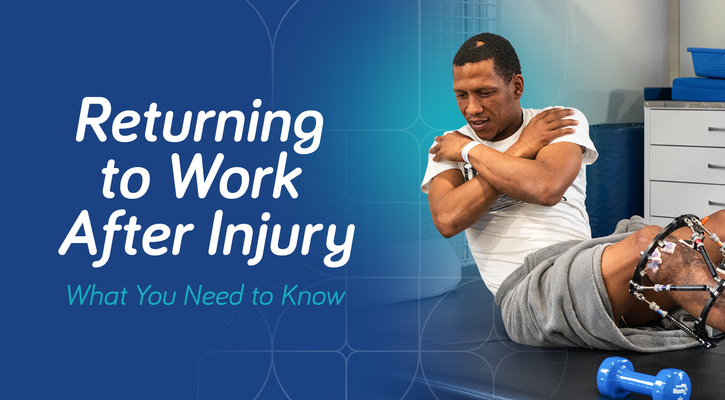
Returning to Work After an Injury: What You Need to Know
Returning to work after an injury can feel uncertain and overwhelming. Many people worry about whether they are physically ready, how their employer will respond, or whether they will be able to perform their job as they did before.
The good news is that with the right physical rehabilitation support, many individuals successfully return to meaningful and productive work. Structured injury rehabilitation programmes help people rebuild strength, restore confidence, and prepare for the physical and mental demands of the workplace.
Recovery takes time, but the right support can make the journey smoother
Why Returning to Work Matters for Recovery
Work is more than just a source of income. It contributes to a person’s identity, independence, and sense of purpose.
Research shows that returning to work after an injury can support recovery by helping individuals:
• rebuild confidence and emotional wellbeing
• restore daily routines and independence
• maintain financial stability
• encourage physical recovery through functional movement
• reconnect with colleagues and social networks
However, returning to work too early or without the right support may increase the risk of setbacks or re-injury. A structured physical rehabilitation plan helps ensure that the return to work is safe, sustainable, and aligned with each person’s recovery progress.
Common Challenges After an Injury
Recovering from a serious injury often involves both physical and emotional adjustments. Many individuals face challenges when preparing to return to work.
Physical limitations
Depending on the type of injury, people may experience:
• reduced strength or mobility
• ongoing pain or fatigue
• difficulty with balance or coordination
• reduced endurance for long workdays
Cognitive challenges
Some conditions, particularly neurological injuries such as traumatic brain injury or stroke, may affect:
• memory
• concentration
• decision-making
• processing speed
Emotional concerns
It is also common for people to feel anxious about returning to the workplace after a serious injury. Concerns about performance, safety, or long-term recovery can create additional stress during this transition.
With the right physical rehabilitation support, many of these challenges can be addressed through structured therapy and gradual return-to-work planning.
How Physical Rehabilitation Supports a Safe Return to Work
Physical rehabilitation plays an important role in helping individuals rebuild their physical and cognitive abilities after injury.
An interdisciplinary rehabilitation team evaluates a patient’s abilities, recovery progress, and the physical demands of their workplace. From there, a personalised rehabilitation plan is developed to support both recovery and workplace readiness.
At Nurture Health, physical rehabilitation programmes focus on restoring function, independence, and confidence so that patients can safely reintegrate into their daily lives.
For many patients, this includes participation in a Work Reintegration Programme designed to bridge the gap between medical recovery and returning to employment.
What Is a Work Reintegration Programme?
A work reintegration programme supports individuals who want to return to employment after a serious injury or illness.
These programmes combine physical rehabilitation, workplace planning, and vocational support to help patients safely transition back to their professional roles.
Key components may include:
Functional Capacity Evaluations
Specialist assessments help determine what tasks a person can safely perform and identify any limitations that need to be addressed.
Work Simulations
Patients practise work-related activities in a controlled rehabilitation environment to rebuild strength, coordination, and confidence.
Vocational Rehabilitation
Occupational therapists help patients develop personalised strategies for returning to work, including identifying suitable duties or workplace adaptations.
Workplace Readiness Planning
Healthcare professionals may collaborate with employers, insurers, and occupational health teams to support a gradual and sustainable return-to-work plan.
Practical Tips for Returning to Work After an Injury
Every recovery journey is different, but the following steps can help support a smoother transition back to work.
Follow your physical rehabilitation plan
Attending therapy sessions and following medical guidance helps prepare the body for workplace demands.
Communicate with your employer
Consider a gradual return
Many people benefit from a phased return to work, starting with modified duties or reduced hours.
Listen to your body
Avoid pushing through pain or fatigue during the early stages of returning to work.
Seek professional support
Rehabilitation specialists, occupational therapists, and vocational experts can provide guidance throughout the process.
Recovery Is a Journey, Not a Race
Returning to work after an injury is an important milestone, but it should happen at the right pace. With structured physical rehabilitation and the right support, many people regain independence and successfully return to fulfilling careers.
If you or a loved one is recovering from an injury and planning to return to work, professional physical rehabilitation can help make the transition safer and more manageable.
Nurture Health’s physical rehabilitation services and work reintegration programmes support patients across South Africa as they rebuild strength, restore independence, and prepare for life beyond injury.
To find out more about our Work Reintegration Programme, email us at referrals@nurturehealth.net