Stroke Recovery: What Happens Next and How Nurture Helderberg Can Help
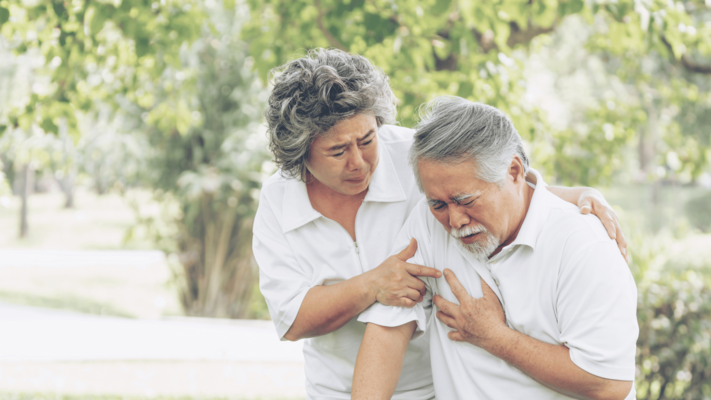
A stroke can feel like life suddenly hitting the pause button. One day, everything is normal, and the next, you or a loved one may struggle to walk, talk, or even swallow. It is frightening, overwhelming, and full of questions.
The good news is that recovery is possible. With the right rehabilitation team, many stroke survivors regain independence and quality of life. This is where Nurture Helderberg plays a powerful role in the recovery journey.
What Is a Stroke in Simple Terms?
A stroke happens when blood cannot reach part of the brain. This can be because of a blockage or a burst blood vessel. When brain cells do not get oxygen, they become damaged.
Because the brain controls everything we do, a stroke can affect:
• Movement in the arm, leg, or face
• Speech and understanding
• Memory and thinking
• Swallowing and eating
• Emotions and mood
Every stroke is different, so every recovery journey is different too.

Why Stroke Rehabilitation Is So Important
After the hospital stabilises a patient, the real work begins. Stroke rehabilitation helps the brain and body relearn skills that were lost.
Think of it like rewiring. The brain is incredibly clever and can build new pathways. With the right therapy and repetition, many people improve far more than they expect.
Rehabilitation can help with:
• Walking again
• Using the hand and arm
• Speaking more clearly
• Eating safely
• Becoming more independent with daily tasks like dressing and bathing
The earlier rehab starts, the better the chances of recovery.
What Makes Nurture Helderberg Special for Stroke Recovery
Nurture Helderberg, part of the wider Nurture Health network, focuses on physical rehabilitation. Their team understands that stroke recovery is not just medical, it is personal.
Here is how they help patients rebuild their lives.
1. A Full Team Working Together
Stroke recovery is not handled by just one therapist. Patients at Nurture Helderberg are supported by a whole team that may include:
• Doctors who specialise in rehabilitation
• Physiotherapists to help with movement and walking
• Occupational therapists to help with daily activities
• Speech therapists for talking and swallowing
• Nurses trained in rehabilitation care
This team works together on one goal: helping each patient become as independent as possible.
2. Personalised Therapy Plans
No two strokes are the same. That means recovery plans should not be the same either.
At nurture helderberg, each patient is assessed carefully. The team looks at:
• What the patient could do before the stroke
• What they can do now
• What goals are most important to them and their family
From there, a tailored rehabilitation plan is created. This may include daily therapy sessions focused on specific challenges like weak legs, poor balance, or speech difficulties.
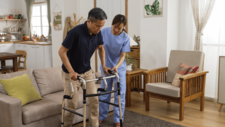
3. Help With Walking and Movement
Many stroke survivors struggle with weakness on one side of the body. This can make standing, walking, or even sitting upright difficult.
Physiotherapists at Nurture Helderberg work step by step to:
• Improve strength
• Retrain balance
• Practise safe walking
• Reduce the risk of falls
Even small improvements can make a big difference in confidence and independence.
4. Support With Daily Living Skills
Simple tasks can suddenly feel impossible after a stroke. Things like brushing teeth, getting dressed, or making a cup of tea may require help at first.
Occupational therapists focus on helping patients regain these everyday skills. They may:
• Teach new ways to do tasks using the stronger side
• Recommend helpful equipment
• Practise real life activities in a safe environment
The goal is always to help patients do as much as they can for themselves.
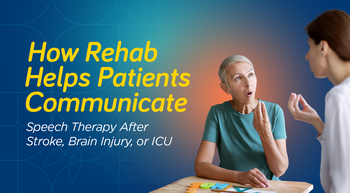
5. Speech and Swallowing Therapy
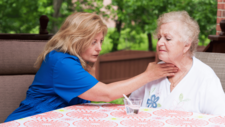
Some strokes affect the muscles used for speaking and swallowing. This can be frustrating and sometimes dangerous if food goes down the wrong way.
Speech therapists at Nurture Helderberg help patients to:
• Speak more clearly
• Understand others better
• Communicate using different methods if needed
• Swallow food and drinks more safely
Being able to communicate again is often one of the biggest emotional milestones in recovery.
6. Emotional Support During Recovery
A stroke does not only affect the body. It can also affect mood, confidence, and mental health. It is common for survivors to feel anxious, sad, or frustrated.
The rehabilitation environment at Nurture Helderberg is designed to be encouraging and supportive. Patients are surrounded by professionals who understand the emotional side of recovery and help families adjust to the changes too.
How Long Does Stroke Recovery Take?
There is no fixed timeline. Some people improve quickly in the first few weeks. Others continue making progress over months.
What matters most is consistent, focused rehabilitation in a setting that understands stroke recovery. That is exactly what Nurture Helderberg provides.
Taking the Next Step After a Stroke
If you or a loved one has had a stroke, rehabilitation is one of the most important parts of the journey forward. The right facility can make a life-changing difference.
Nurture Helderberg offers specialised stroke rehabilitation with a dedicated team, personalised therapy, and a strong focus on helping patients regain independence and dignity.
Recovery may feel overwhelming at first, but with the right support, progress is possible and hope is real..
Click Here To Email Us To Book A Consult